
HYDROGEN SENSING PROJECT
Industry Sponsored Research · FortisBC
Summary
Designed and delivered a modular hydrogen sensing platform spanning controlled laboratory testing and a portable deployable prototype. The work enabled safe experimentation, data-driven development, and successful delivery of an industry-ready sensing system.
Project Snapshot
- Client: FortisBC
- Context: MiNa Lab, University of Victoria
- Role: Mechanical Design Lead
- Scope: Mechanical design, prototyping, system integration
- Subprojects:
- 4.1 Sensor Development Testing Rig
- 4.2 Portable Hydrogen Sensing Unit
- Deliverables: Functional prototypes, full drawing packages, peer-reviewed publication
SubProject 4.1 — H₂ Sensor Development Testing Rig
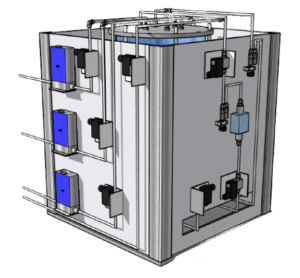
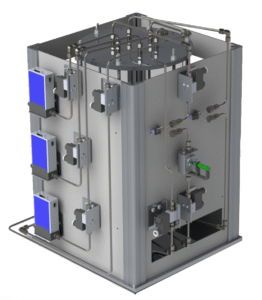
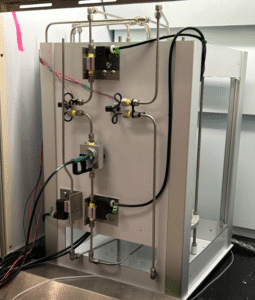
Designed a laboratory testing rig to expose hydrogen sensors to known concentrations of hydrogen, methane, and ethane under controlled, low-pressure conditions. The system enabled safe, repeatable testing and served as the experimental foundation for later deployable sensing work.
Read More
System Architecture
- Gas injection via mass flow controllers (H₂, CH₄, C₂H₆)
- Primary mixing chamber followed by a dedicated sensing chamber
- Intrinsically safe valves and pumps
- Low-pressure operation governed by lab-developed SOPs and hydrogen safety training
My Contributions
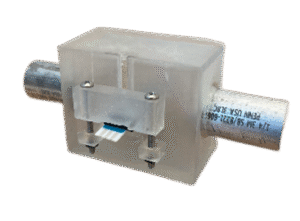
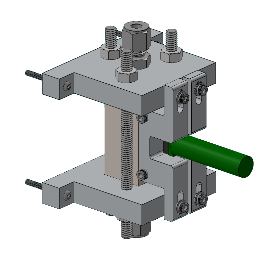
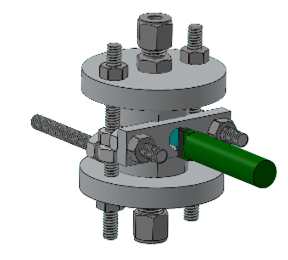
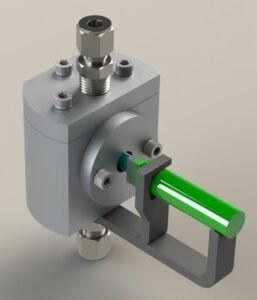
- Mechanical design of the sensing chamber, iterated through five revisions
- Design of a custom PCB to control a Raspberry Pi and system actuators
- Integration of mechanical, pneumatic, and electrical subsystems
- Preparation of a complete mechanical drawing package (~100 pages)
Iteration and Testing
Design iterations focused on simplifying part count, improving sealing reliability, and reducing operational complexity. Manufacturing-driven changes improved assembly speed and test repeatability while maintaining experimental flexibility.
Data & Transition to Deployable System
The testing rig generated high-quality sensor data across controlled gas mixtures. This data supported downstream analysis and machine-learning efforts that informed the design and behavior of the portable sensing unit developed in Project 4.2.
Project 4.2 — Portable Hydrogen Sensing Unit
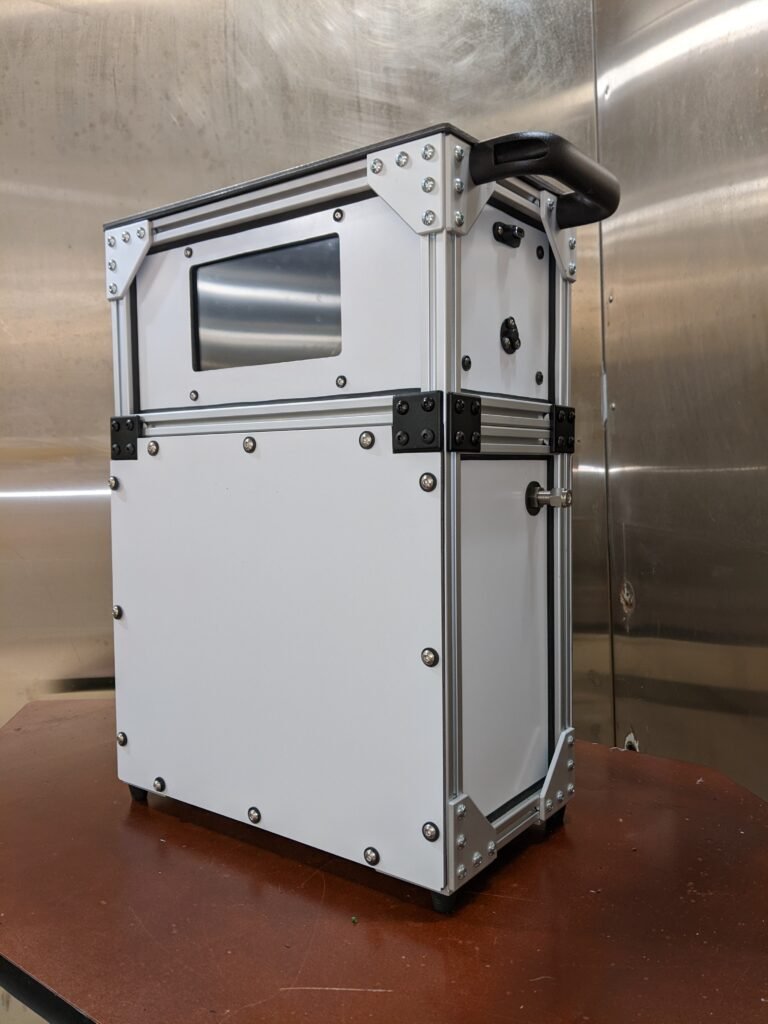
Project 4.2 — Portable Hydrogen Sensing UnitDeveloped a portable, battery-powered hydrogen sensing unit informed by laboratory testing results. The system reported hydrogen concentration in real-world conditions and was delivered as a polished prototype for client evaluation.
Read More
System Design
- Aluminum extrusion frame with ACM paneling
- Modular separation between electrical enclosure and pneumatic system
- Battery-powered operation with self-cleaning capability
- Architecture designed to support parallel subsystem development
My Role & Leadership
- Mechanical design lead for the full system
- Supervised and mentored a co-op student through four months of development
- Defined subsystem interfaces to enable parallel electrical and pneumatic work
- Oversaw fabrication, assembly, and final integration
Outcome
The completed unit met functional requirements and was delivered to the client as a robust, deployable prototype. The modular design and build quality resulted in a highly satisfied industry partner.
Project Outcomes
- Safe, modular platform for hydrogen sensor development
- Deployable portable hydrogen sensing prototype
- Full mechanical drawing packages supporting fabrication and iteration
- Clear experimental-to-deployment development pathway